
How to choose a family-friendly Tokyo rental is a question many parents ask when planning to move to Japan’s capital. The process involves balancing safety, access to quality schools, and convenience for commuting. Families should also look for nearby parks, playgrounds, and community facilities to create a supportive living environment. Considering apartment layout, storage space, and earthquake safety features is equally important. This guide explains the key steps to evaluate neighborhoods, compare rental costs, and understand lease agreements so you can find a comfortable, secure home that suits your family’s lifestyle in vibrant, fast-paced Tokyo.
Choose the Perfect Family Neighborhood
See more: Average home price japan 2025
Check School & Daycare Options
See more: Average house price tokyo japan 2025
Prioritize Convenient Transport Access
See more: Tokyo average hourly wage 2024
Tokyo apartments can be compact, so layout matters more than sheer square footage. Families typically benefit from having multiple bedrooms, ample storage space, and a functional kitchen that allows for family meals. Open-plan living rooms make it easier to keep an eye on kids while cooking or working from home. Outdoor areas such as balconies, terraces, or small gardens can serve as extra play zones or places to relax. If possible, look for features like built-in storage, separate dining areas, and good natural lighting to make the space feel more welcoming.
Ensuring your family’s safety is an absolute must when selecting a home. Look for secure entry points, intercom systems, and well-lit hallways. A safe neighborhood means more than low crime rates, it also includes pedestrian-friendly streets, minimal heavy truck traffic, and clear signage for drivers. Japan’s earthquake-prone geography makes building safety even more critical. Check that the property complies with the latest seismic standards and ask about any structural renovations or reinforcements that have been made. Your family’s well-being is priceless, and peace of mind plays a key role in protecting it.
While rent is the most visible cost, it’s far from the only one. Many Tokyo rentals come with maintenance fees, parking charges, and utilities that can add up quickly. Japanese rental contracts often require a deposit (shikikin), non-refundable key money (reikin), and renewal fees every two years. Make sure you understand these terms before committing, as they can significantly affect your budget. Knowing the full cost picture upfront will help you avoid unpleasant surprises and allow for smoother financial planning.
How to choose a family-friendly Tokyo rental means finding the perfect balance of safety, convenience, comfort, and affordability. By focusing on neighborhoods with good schools, strong community ties, and reliable transport, you can create a supportive environment for your family to thrive.
If you’re unsure where to start, Arealty specializes in helping both local and international families navigate Tokyo’s housing market. With deep neighborhood knowledge and personalized service, Arealty can make the process of finding a home stress-free, ensuring you settle into a safe, welcoming space in one of the world’s most dynamic cities.
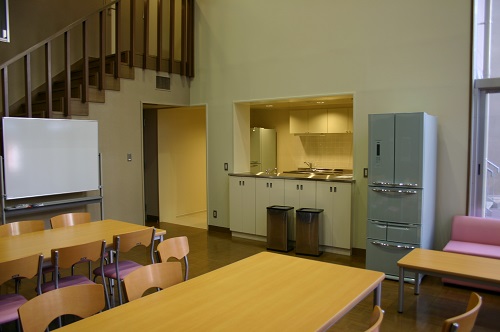
This guide covers everything you need to know about student accommodation in Tokyo, including housing types, rent ranges, the application process, and tips for saving money.
Tokyo offers a variety of housing options for students, each with its own advantages in terms of location, privacy, and budget. The main types include:
University Dormitories – Affordable and convenient, these dorms are either on-campus or close to the university. They usually offer shared facilities and lower rent compared to private apartments.
Shared Houses (Guesthouses) – Students rent a private room while sharing the kitchen, living room, and sometimes bathrooms with other residents. This is a popular choice for those who want to make friends easily.
Private Apartments – These give students full privacy and independence, but come with higher costs. Popular layouts include 1K (one room + kitchen) and 1LDK (one bedroom + living, dining, kitchen).
Homestays – Living with a local family can help international students improve their Japanese skills and cultural understanding.
Rent in Tokyo varies widely depending on the neighborhood, housing type, and proximity to train stations. On average:
University dorms: ¥25,000 – ¥60,000/month
Shared houses: ¥40,000 – ¥80,000/month
Private apartments: ¥60,000 – ¥120,000+/month
If you’re curious about the broader Tokyo rental market, you can check details about Tokyo apartment rent cost to compare student housing with general apartment rates.
Choosing the right location is essential for balancing commuting time, living costs, and lifestyle preferences.
Bunkyo & Shinjuku – Close to major universities like the University of Tokyo and Waseda University.
Setagaya & Meguro – Quieter residential neighborhoods with good transport links.
Kichijoji – Popular for its greenery, shops, and cafes, perfect for students who want a balanced lifestyle.
Ikebukuro & Takadanobaba – Vibrant student hubs with affordable eateries and great nightlife.
Housing prices in Tokyo continue to rise due to demand from both domestic and international residents. For students considering investing in property after graduation, it’s worth noting the Tokyo average home price 2025, which reflects the city’s competitive real estate market.
In addition, nearby cities like Yokohama offer alternative housing options. According to market reports, the 2025 February Yokohama average house price shows a more affordable entry point compared to central Tokyo.
International students renting in Tokyo should be prepared for a structured application process:
Research and Compare Options – Use online housing platforms, university listings, or real estate agencies specializing in student rentals.
Prepare Required Documents – These usually include your passport, residence card (or Certificate of Eligibility), student ID or acceptance letter, and proof of financial capability.
Understand the Initial Costs – Japanese rentals often require a deposit, key money (礼金), agent fees, and sometimes a guarantor company fee.
Sign the Contract – Read all clauses carefully, especially regarding move-out conditions and renewal fees.
Tokyo is known for its high living costs, but students can reduce expenses by:
Living farther from central Tokyo – Commuting may take longer, but rent can drop significantly.
Choosing shared accommodation – Sharing facilities cuts costs and builds social connections.
Looking for “no key money” properties – Some landlords waive 礼金 to attract tenants.
Applying early – The best and most affordable units get rented out quickly, especially before the April semester.
When selecting student housing in Tokyo, consider:
Proximity to train stations – Tokyo’s public transport is excellent, but being within a 10-minute walk of a station can make daily life easier.
Nearby amenities – Supermarkets, convenience stores, and affordable restaurants help reduce time and money spent on daily needs.
Room size and layout – Japanese apartments can be compact, so storage space is valuable.
Internet and utilities – Some dorms and guesthouses include utilities and Wi-Fi in the rent, which can save money.
Finding the right student housing in Tokyo is about balancing budget, location, and lifestyle. Whether you choose a university dorm, shared house, or private apartment, planning ahead and understanding the rental process will help you secure a comfortable home.
With Tokyo’s housing market evolving in 2025, students should also keep an eye on broader property trends, including Tokyo apartment rent costs, Tokyo average home prices, and nearby markets like Yokohama’s housing prices. This knowledge not only helps with renting today but could guide future investment decisions after graduation.
Tokyo average home price 2025 continues to rise amid strong demand and limited land supply. As one of the world's most dynamic cities, Tokyo's real estate market remains competitive, attracting both local buyers and foreign investors. This article explores the latest pricing trends and what homebuyers can expect.
City development and transit growth
See more: Japan average house prices 2025
As of mid-2025, the average price for newly built condominiums in Tokyo’s 23 wards is approximately ¥88–95 million (roughly USD 600,000–650,000), depending on the area and proximity to central business districts. Secondhand apartments, while slightly more affordable, still average around ¥55–70 million, with desirable neighborhoods like Minato, Shibuya, and Chiyoda commanding premium prices.
High demand in upscale districts
See more: Yokohama average house price 2025
Several key factors are influencing the Tokyo housing market in 2025:
Limited Land Availability
Tokyo is geographically constrained. With little space left for large-scale residential development in central areas, supply remains tight keeping prices high.
Post-Pandemic Urban Revival
Remote work trends that briefly slowed urban demand have reversed, with many professionals returning to the city. The desire for convenience, access to transport, and proximity to workplaces has renewed interest in urban housing.
Major Construction and Infrastructure Growth
Major projects such as the Shinagawa development zone and improvements around Tokyo Station are enhancing nearby real estate values.
Foreign Investment
The weak yen in early 2025 has made Tokyo real estate more attractive to overseas buyers, especially from neighboring Asian countries and North America.
Redevelopment projects raise property values
See more: Average rent 2 bedroom apartment tokyo 2025
Tokyo’s 23 wards vary greatly in average home prices. Here’s a quick snapshot (new condos):
Suburban areas like Tachikawa or Machida offer significantly more space and lower prices, with homes around ¥40–60 million, appealing to families and commuters.
Understanding the Tokyo average home price 2025 is crucial for anyone looking to buy property in Japan’s capital. While prices remain high, Tokyo offers long-term value backed by stable demand, robust infrastructure, and consistent economic growth. Whether you're an investor, a relocating professional, or planning a permanent move, Tokyo's housing market in 2025 presents both challenges and opportunities.
To navigate this competitive market, it's essential to have the right support. A-Realty is a trusted real estate agency specializing in Tokyo and Kanagawa properties. With bilingual staff and deep market insight, A-Realty helps both local and international clients find homes that fit their lifestyle and budget.
With its scenic harbor, modern infrastructure, and quick train access to Tokyo, Yokohama is more than just a commuter city, it's a lifestyle destination. As Japan's second-largest city, it offers many of the benefits of Tokyo without the overwhelming crowds or soaring rent prices.
Yokohama blends the best of both worlds: a high standard of living and more spacious apartments at more accessible prices. It is home to international schools, large shopping complexes like Landmark Plaza and Queen’s Square, art museums, green parks, and a multicultural dining scene.
In recent years, Yokohama has seen steady rental demand from professionals working in nearby Tokyo, expats seeking a quieter base, and Japanese families looking for long-term living. Thanks to improved transportation and redevelopment projects such as those around Minatomirai, Yokohama Station, and the Bay Quarter, the city’s residential appeal continues to grow in 2025.
See more: Tokyo average home price 2025
Let’s explore what renters are typically paying in 2025 based on the type of unit:
See more: 2025 february Yokohama average house price
Yokohama’s rental rates vary significantly by neighborhood, depending on access to train lines, amenities, and overall atmosphere. Here’s a quick breakdown of notable areas:
See more: Japan average house prices 2025
As of 2025, average rents in Yokohama have slightly increased compared to previous years, by roughly 2–5%, depending on the area. This upward movement can be attributed to several causes:
While rents are trending upward, Yokohama remains notably more affordable than Tokyo. For instance, a 1LDK near Yokohama Station might rent for ¥120,000/month, compared to ¥160,000/month for a similar unit in central Tokyo like Shinjuku or Roppongi.
The rental market is also becoming more diversified. More buildings are now offering short-term leases, furnished units, and bilingual property managers, making Yokohama even more accessible to international tenants.
Yokohama average rent 2025 highlights the city’s continued appeal to a diverse range of tenants. With its blend of modern convenience, lifestyle quality, and relative affordability, Yokohama remains a top choice for renters this year. Whether you're a young professional, a small family, or a remote worker seeking more space and a calmer environment, Yokohama offers excellent value for money. Start your search with A-Realty, your trusted real estate partner specializing in Tokyo and Kanagawa. We offer bilingual support, updated listings, and personalized service to help you find the right home.
Nestled in Tokyo’s Shibuya ward, Hatagaya Station serves the Keio New Line, connecting directly to Shinjuku in just two stops, less than five minutes away. This makes it an excellent choice for commuters who work in central Tokyo but prefer to return home to a calmer, more residential neighborhood.
The station first opened in 1913 as part of the original Keio Line and has seen over a century of change, from the early days of Tokyo’s railway expansion to the modern transport network we know today. Renovations have kept it functional and accessible, yet it retains a compact, easy-to-navigate layout. With only two platforms and a straightforward ticket gate area, it’s a far cry from the maze-like stations of central Tokyo, offering a stress-free commuting experience.
Hatagaya Station – cozy Tokyo stop
See more: Tokyo median income
In this neighborhood, time seems to move differently. Locals pause to chat with shopkeepers, cyclists pass by at an unhurried pace, and the air feels calmer. For anyone overwhelmed by Tokyo’s speed, Hatagaya offers the comfort of a small-town atmosphere right in the heart of the city.
Hatagaya – Tokyo’s small-town charm
Hatagaya is a coffee lover’s dream. Coffee Supreme Tokyo, a stylish outpost of the New Zealand brand, serves expertly crafted brews in a modern yet relaxed setting. Paddlers Coffee offers a more rustic vibe, complete with wooden interiors and a menu that pairs perfectly with a good book or a laptop work session.
Gourmet lovers will also discover much to savor. Menya Kisso is a hidden ramen gem, serving rich broths and handmade noodles, while Nishinoya specializes in comforting Japanese set meals. For something sweet, small patisseries and bakeries dot the streets, offering fresh pastries and seasonal treats.
Hatagaya’s shopping streets are an eclectic mix of old and new. Traditional tea shops sit alongside artisan bakeries, while second-hand clothing stores share the block with contemporary home décor boutiques. On weekends, the local market buzzes with fresh fruit, vegetables, and handmade goods, making it easy to cook with seasonal ingredients.
While Hatagaya may not boast sprawling parks like Yoyogi, it makes up for it with intimate community green spaces. Small pocket parks provide benches, flower beds, and playgrounds for children, while larger parks in nearby neighborhoods are just a short bike ride away. These spots are perfect for unwinding after work or enjoying a slow Sunday morning.
See more: Buy flat tokyo
For professionals working in Shinjuku, Shibuya, or other business hubs, Hatagaya’s location is unbeatable. The quick two-stop ride to Shinjuku means you can save precious commuting time while still enjoying the calm of a residential area.
While Hatagaya is part of Shibuya ward, it’s generally more affordable than better-known areas like Ebisu or Daikanyama. Apartments tend to be compact but well-maintained, offering excellent value for singles, couples, and small families who want to live close to central Tokyo without paying premium prices.
One of Hatagaya’s most endearing qualities is its community spirit. From neighborhood festivals to local charity drives, residents actively participate in keeping the area vibrant and welcoming. This friendliness makes it easier for newcomers to feel at home, even in a big city like Tokyo.
Hatagaya Station is a hidden gem where you can enjoy both convenience and tranquility. With its charming cafés, local shops, green spaces, and close-knit community, it offers a perfect balance between Tokyo’s energy and small-town comfort. If you’re planning to move to Tokyo, A‑Realty can help. Offering multilingual support in English, Japanese, Vietnamese, and more, plus a wide range of rentals near Hatagaya Station, their team ensures a smooth, transparent, and stress-free apartment search from viewing to lease signing.